Essential Guide to Gutter Replacement: When and Why You Should Upgrade Your Home
- peter43816
- Jun 26
- 3 min read
Gutters play a crucial role in protecting your home from water damage by directing rainwater away from your foundation, walls, and roof. Over time, gutters can wear out, become clogged, or sustain damage that reduces their effectiveness. Knowing when and why to replace your gutters can save you from costly repairs and keep your home safe and dry. This guide will walk you through the signs that indicate it’s time for gutter replacement, the benefits of upgrading, and practical tips to choose the right gutters for your home.
Why Gutters Matter for Your Home
Gutters are more than just a decorative feature. They protect your home’s structure by:
Preventing water damage to your foundation, which can cause cracks and instability.
Protecting siding and paint from water stains and rot.
Reducing soil erosion around your home’s base.
Preventing basement flooding by directing water away from the foundation.
Protecting landscaping from heavy water runoff.
When gutters fail, water can pool near your home, leading to costly repairs and potential health hazards like mold growth.
Signs You Need to Replace Your Gutters
Knowing when to replace gutters can be tricky. Here are clear signs that your gutters need an upgrade:
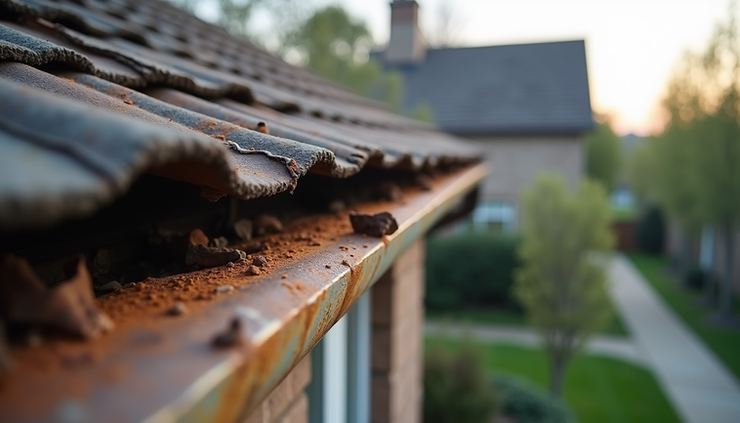
1. Visible Damage and Rust
If you notice rust spots, holes, or cracks in your gutters, they are no longer effective. Rust weakens the metal, causing leaks and breaks. Cracks and holes allow water to escape, defeating the purpose of the gutter system.
2. Sagging or Pulling Away from the House
Gutters that sag or pull away from the fascia board indicate that the fasteners are failing or the gutters are overloaded with debris. This can cause water to spill over the edges and damage your home’s exterior.
3. Frequent Clogs and Overflowing
If your gutters clog often despite regular cleaning, or water overflows during rain, it might be time to replace them with a system better suited to your home’s needs, such as larger gutters or those with built-in guards.
4. Peeling Paint and Water Stains on Walls
Water stains or peeling paint near the gutters or on your home’s siding suggest that water is leaking or overflowing from the gutters. This can lead to wood rot and structural damage.
Flooding or Foundation Issues
Water pooling near your foundation or basement flooding after rainstorms can be a sign that your gutters are not directing water away properly.
Benefits of Replacing Your Gutters
Upgrading your gutters offers several advantages beyond just fixing problems:
Improved water management protects your home’s foundation and landscaping.
Enhanced curb appeal with new, clean gutters that complement your home’s exterior.
Reduced maintenance with modern materials and gutter guards that prevent clogs.
Increased home value as a well-maintained exterior is attractive to buyers.
Energy efficiency by preventing moisture buildup that can affect insulation.
Choosing the Right Gutters for Your Home
When replacing gutters, consider these factors to select the best option:
Material Options
Aluminum: Lightweight, rust-resistant, and affordable. Most common choice.
Copper: Durable and attractive but expensive. Develops a green patina over time.
Steel: Strong but prone to rust if not properly coated.
Vinyl: Low cost and easy to install but less durable in extreme weather.
Gutter Style
K-style gutters: Popular for their decorative shape and good capacity.
Half-round gutters: Traditional look, easier to clean but hold less water.
Box gutters: Built into the roof edge, often seen on older homes.
Size and Capacity
Choose gutters large enough to handle heavy rainfall in your area. For example, a 6-inch K-style gutter can handle more water than a 5-inch one.
Gutter Guards
Installing guards can reduce debris buildup and maintenance needs. Options include mesh screens, foam inserts, and surface tension guards.
How to Prepare for Gutter Replacement
Before replacing gutters, prepare your home and budget:
Inspect your roof and fascia for damage that may need repair.
Clear the area around your home for easy access.
Get multiple quotes from reputable contractors.
Check local building codes for gutter installation requirements.
Plan for seasonal timing: Spring and fall are ideal for gutter work.
DIY vs. Professional Gutter Replacement
Replacing gutters can be a DIY project if you have the right tools and skills, but professionals offer advantages:
Safety: Working on ladders and roofs can be dangerous.
Experience: Pros ensure proper slope and secure attachment.
Warranty: Many contractors offer guarantees on their work.
Time-saving: Professionals complete the job faster.
If you choose DIY, follow safety guidelines and carefully measure and install gutters to avoid future problems.
Maintaining Your New Gutters
Even new gutters need care to last:
Clean gutters at least twice a year.
Check for leaks or loose fasteners after storms.
Trim nearby trees to reduce debris.
Inspect gutter guards and clean as needed.
Regular maintenance extends the life of your gutters and protects your home.