The Importance of Keeping Your Roof Clean for Longevity and Performance
- peter43816
- Feb 15
- 3 min read
A roof is one of the most critical parts of any building, protecting everything inside from weather, pests, and other external threats. Despite its importance, many homeowners and property managers overlook the simple task of keeping their roofs clean. Dirt, debris, moss, and algae can accumulate over time, causing damage that shortens the roof’s lifespan and reduces its effectiveness. This post explains why maintaining a clean roof is essential for both longevity and performance, offering practical advice and examples to help you protect your investment.

How Dirt and Debris Affect Your Roof
Roofs are exposed to the elements every day. Leaves, twigs, dirt, and dust can settle on the surface, especially in areas surrounded by trees or during windy seasons. This buildup may seem harmless but can cause several problems:
Trapped moisture: Debris holds water against the roof surface, increasing the risk of leaks and water damage.
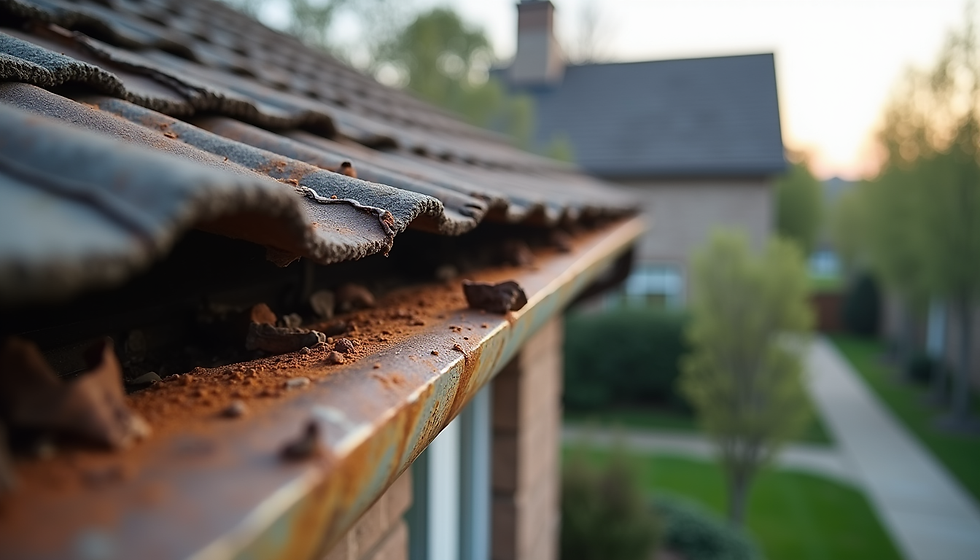
Blocked drainage: Gutters and downspouts can clog, leading to water pooling and overflow that damages walls and foundations.
Accelerated wear: Dirt and organic matter can wear down roofing materials faster, especially on asphalt shingles and wood.
For example, a homeowner in a leafy neighborhood noticed their gutters overflowing during rainstorms. Upon inspection, the gutters were clogged with leaves and moss. This caused water to seep under the shingles, leading to costly repairs. Regular cleaning could have prevented this issue.
The Role of Moss, Algae, and Lichen
Moss, algae, and lichen thrive in damp, shaded environments. They often grow on roofs that do not get enough sunlight or have poor ventilation. These organisms can:
Trap moisture: Moss holds water against the roof, which can cause wood rot and damage to shingles.
Cause discoloration: Algae create dark streaks that affect the roof’s appearance and may reduce its value.
Weaken materials: Lichen can penetrate roofing materials, breaking them down over time.
A study by the National Roofing Contractors Association found that roofs with heavy moss growth can lose up to 50% of their lifespan compared to clean roofs. Removing moss and algae promptly helps maintain the roof’s integrity and appearance.
Benefits of Keeping Your Roof Clean
Maintaining a clean roof offers several advantages beyond just aesthetics:
Extended roof life: Removing damaging elements prevents premature aging and costly repairs.
Improved energy efficiency: A clean roof reflects sunlight better, reducing cooling costs in warm seasons.
Better home value: A well-maintained roof increases curb appeal and resale value.
Prevention of structural damage: Clean roofs reduce the risk of leaks, mold, and wood rot that can affect the entire building.
For instance, a homeowner who cleaned their roof annually reported fewer repairs and lower energy bills over five years compared to neighbors who neglected their roofs.
How Often Should You Clean Your Roof?
The frequency of roof cleaning depends on several factors:
Location: Homes near trees or in humid climates may need cleaning twice a year.
Roof type: Asphalt shingles may require more frequent cleaning than metal or tile roofs.
Weather conditions: Areas with heavy rain or snow may accumulate debris faster.
A good rule of thumb is to inspect your roof twice a year, ideally in spring and fall, and clean it as needed. Regular inspections help catch problems early before they become expensive repairs.
Safe and Effective Roof Cleaning Methods
Cleaning a roof requires care to avoid damage. Here are some recommended methods:
Soft washing: Uses low-pressure water combined with cleaning solutions to remove moss and algae without harming shingles.
Manual removal: Carefully scraping moss and debris with a roof rake or brush.
Gutter cleaning: Clearing gutters and downspouts to ensure proper drainage.
Avoid high-pressure washing, which can strip protective granules from shingles and cause leaks. If you are unsure, hiring a professional roof cleaning service is a safe option.
DIY Tips for Roof Maintenance
If you choose to clean your roof yourself, keep these tips in mind:
Use a sturdy ladder and wear non-slip shoes.
Avoid walking on fragile roofing materials.
Use environmentally friendly cleaning products.
Clear gutters regularly to prevent water buildup.
Trim overhanging branches to reduce debris.
Taking these precautions helps protect both your roof and your safety.
When to Call a Professional
Some roof issues require expert attention:
Extensive moss or algae growth
Damaged or missing shingles
Signs of leaks or water damage inside the home
Roofs with steep slopes or difficult access
Professionals have the right tools and experience to clean and inspect your roof safely and thoroughly. We highly recommend Pressure Up for all you pressure washing needs